
July 30, 2026
FAFSA vs. Scholarship Deadlines: What Families Mix Up
TL;DR. The FAFSA is one form with one deadline cycle per school year, with federal, state, and college dates layered inside it. Scholarship deadlines are set by each provider and land all year. Filing the FAFSA doesn't enter your student for scholarships, and most scholarships don't wait on it.
What's the difference between a FAFSA deadline and a scholarship deadline?
A FAFSA deadline is about one application for aid. You file the Free Application for Federal Student Aid once per school year, and that single form feeds federal, state, and college aid decisions. A scholarship deadline is about one specific award — a foundation, a company, a community group, or a college department sets its own date, its own form, and its own rules.
That's the whole confusion in one line: the FAFSA is a cycle, scholarships are a calendar. One you do annually. The other you do continuously.
The FAFSA — one form per aid year, filed at fafsa.gov, opening in the fall for the next school year. It determines eligibility for federal aid (Pell Grant, federal loans, work-study) and produces the Student Aid Index that states and colleges use in their own calculations.
Scholarships — thousands of separate applications, each with its own deadline, essay, and eligibility rules, run by providers with no connection to the federal process. Federal Student Aid keeps a plain-language overview of scholarships worth reading once.
One thing to be clear about before we go further: ScholiBuddy is an independent tool. We're not affiliated with FAFSA, the U.S. Department of Education, or any state aid agency, and we're not part of any government process. Everything on the federal side happens at the official sites linked above.
Which FAFSA deadline actually matters?
Three different dates share the name "FAFSA deadline," and the earliest one is almost always the one that matters. The federal date is the latest — and the least useful to aim for.
The federal deadline. The FAFSA for a given aid year is accepted through June 30 at the end of that year. It's a real deadline, but treating it as your target is a mistake: by June, most state and college money for that year is already committed.
Your state's deadline. Set by each state, and often months earlier than the federal one. Some states award grant funds on a first-come basis until they run out, which functionally makes the deadline "as early as you can." Check your state's current date from Federal Student Aid's FAFSA page.
Each college's deadline. Colleges set their own priority date for their own institutional aid, and it's frequently the earliest of the three. It can differ between two schools on the same student's list, so it's a per-college check, not a single date.
The practical rule: file as soon as the FAFSA opens for the year you need aid for, then check each college's priority date separately. The FAFSA has traditionally opened on October 1, but recent cycles have opened later — confirm this year's date at fafsa.gov rather than assuming.
And it resets. A FAFSA covers one school year, so a student in a four-year program files it four times. Missing a year doesn't disqualify them from future years, but it can cost a year of aid — which is why the annual refile belongs on a calendar rather than in someone's memory.
When are scholarship deadlines?
All year. There's no scholarship season, no single opening date, and no central calendar — each provider picks its own date, and those dates spread across every month. Four real awards make the point:
Dr. Corey A. Frazier First Generation Endowed Scholarship Fund — closes October 31, 2026.
Boston College Institutional Grants and Scholarships — closes January 2, 2027.
eQuality Scholarships for Graduating High School Seniors and Recent High School Graduates — $6,000, closes January 31, 2027.
Berkeley Undergraduate Scholarship — closes March 3, 2027.
Four awards, four different months, and not one of them lines up with a FAFSA date. Multiply that by the dozens a student might apply to and you get the real problem: not one deadline to remember, but a rolling list of them. You can browse by timing on the closing-soon list, or by aid type on the need-based list.
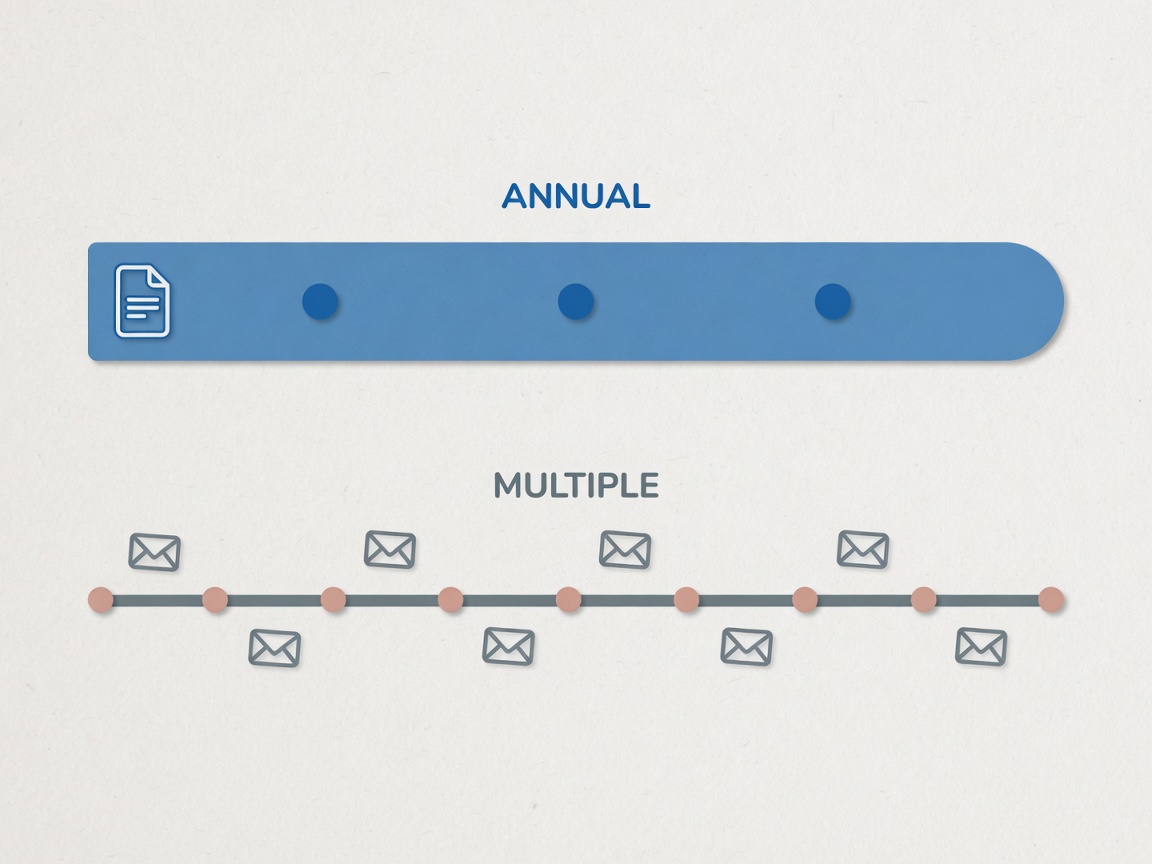
Five things families mix up about FAFSA and scholarship deadlines
"We filed the FAFSA, so we're in the running for scholarships." The FAFSA is an application for federal, state, and institutional aid. It doesn't submit your student to any private scholarship. Those are separate applications, one at a time.
"June 30 is the deadline." That's the federal cutoff, not the date that protects your family's aid. State and college priority dates come far earlier, and first-come state funds can be gone long before June.
"Scholarship deadlines are in the spring, around admissions." Some are. Plenty close in October, January, or July. Treating spring as scholarship season means ignoring three quarters of the year.
"One FAFSA covers all four years." It covers one aid year. Refiling is an annual chore — and it's the easiest aid to lose by simply forgetting.
"If we missed the FAFSA, scholarships are pointless too." Unrelated. Most private scholarships never look at your FAFSA. A missed FAFSA is worth fixing, but it doesn't close the scholarship door.
Does the FAFSA enter your student for scholarships — and do scholarships need the FAFSA?
No to the first, sometimes to the second. Filing the FAFSA doesn't submit your student to any scholarship. But a meaningful slice of awards — especially need-based ones, and aid run by colleges themselves — asks for FAFSA data or requires it on file before an application can be considered.
Look at the two January awards above. Boston College Institutional Grants and Scholarships is a college's own need-based aid, and eQuality Scholarships also weighs financial need. For awards like these, filing the FAFSA early isn't just a federal errand — it's a prerequisite that opens the application.
So the sequence that works is simple: file the FAFSA as early in the cycle as you can, then treat scholarship hunting as its own ongoing task running alongside it. The CFPB's Paying for College tools are a useful way to compare what each source of aid actually covers before you commit to a plan.
One honest note: applying to more awards is the part your family controls. The decision always belongs to the provider, and no tool or timing changes that.
How do you track FAFSA and scholarship deadlines in one place?
Treat them as two different kinds of item on one calendar. The FAFSA is a small set of fixed, annual dates. Scholarships are a growing list of one-off dates that has to be maintained.
Put the FAFSA dates in first — the day it opens, your state's date, and each college's priority date. Four or five entries, done once a year.
Give scholarships a running list — every award your student might apply to, sorted by deadline, with a status for each.
Add reminders, not just dates. A date in a spreadsheet cell doesn't call you. A reminder a week out does.
Keep documents in one place — transcript, resume, recommendation letters, and a couple of base essays. Most missed deadlines are really missed uploads.
Review weekly. Ten minutes on the same day each week beats a panicked catch-up in March.
A spreadsheet handles this at first and then stops; we went through where a scholarship spreadsheet breaks down in more detail. If your family would rather not build the system from scratch, ScholiBuddy keeps matched awards, their deadlines, and your documents together, with reminders before each date. Your student can start searching free with no credit card; the paid tiers (Premium and Pro) add the AI search and matching layers, with a 7-day trial as the front door.
To be straight about it: ScholiBuddy helps you find and apply to scholarships. We don't guarantee your student will be awarded any scholarship or any specific amount — awards are decided by each scholarship's provider. And because this category attracts scams, the FTC's guide to avoiding scholarship and financial-aid scams is worth ten minutes; we've also written up the red flags we see most.
Quick answers
Is the FAFSA deadline the same in every state?
No. The federal deadline is the same nationwide, but each state sets its own — and many are far earlier. Some states award grant money first-come until it runs out, so "the deadline" is effectively as soon as the FAFSA opens. Check your state's current date on Federal Student Aid's FAFSA page.
What happens if we miss the FAFSA deadline?
It depends which one. Miss a college or state priority date and you may lose access to that pool of aid for the year, even though the federal form is still open. Miss the federal date entirely and there's no federal aid for that aid year. Filing late is still better than not filing — some aid remains available.
Do I need to file the FAFSA to get a scholarship?
Not for most private scholarships — they run their own applications and never see your FAFSA. But college-run aid and many need-based awards do require it, so filing keeps every door open rather than closing a category off.
When should we start applying for scholarships?
Now, whenever "now" is — because deadlines land in every month. A high-school student can start well before senior year; the high-school-senior list is a reasonable starting point, and we've mapped out a month-by-month plan for seniors.
Do scholarship deadlines follow the school year?
No. Providers set dates for their own reasons — fiscal years, board meetings, award ceremonies — so deadlines land in summer and midwinter as readily as in spring. That's why a running list beats trying to remember a season.
Does filing the FAFSA later reduce what we get?
It can, indirectly. The federal aid you qualify for is based on your information, not your timing. But state and college aid often runs on limited pools distributed in order, so a late FAFSA can arrive after the money for that year is committed.
Still searching for scholarships manually?
Find scholarships you actually qualify for — AI matches you in minutes. Free to start.
Find My Scholarships →